
Gerard van Honthorst – Different to Rembrandt
 Lees in het Nederlands
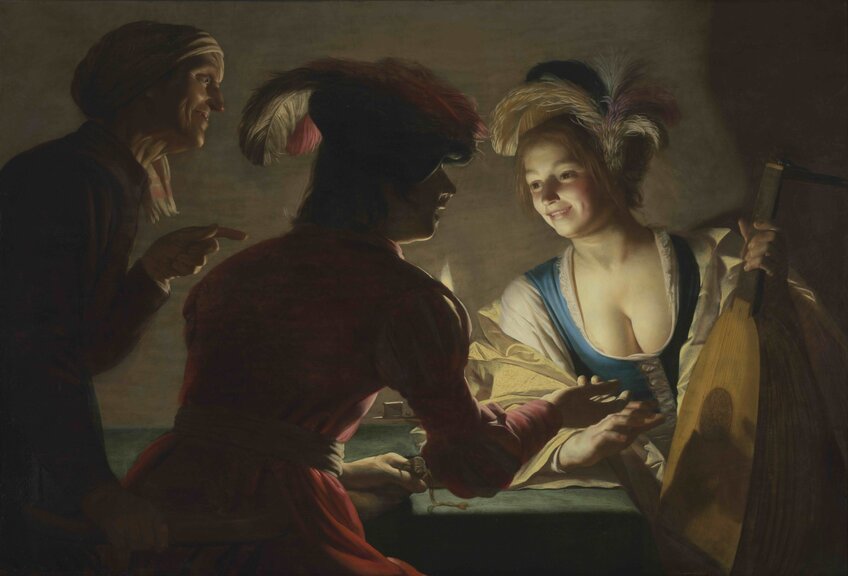
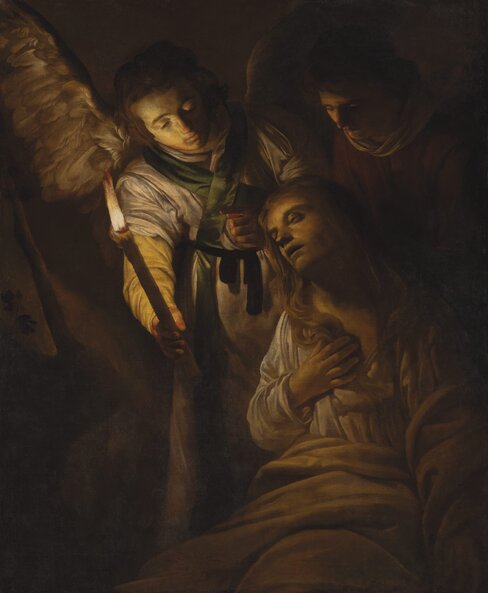
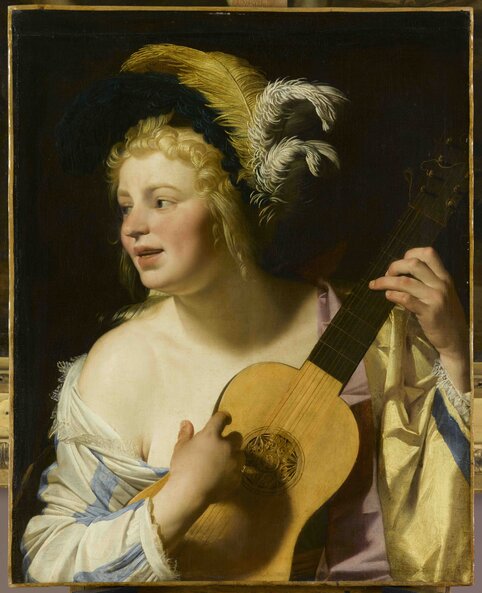
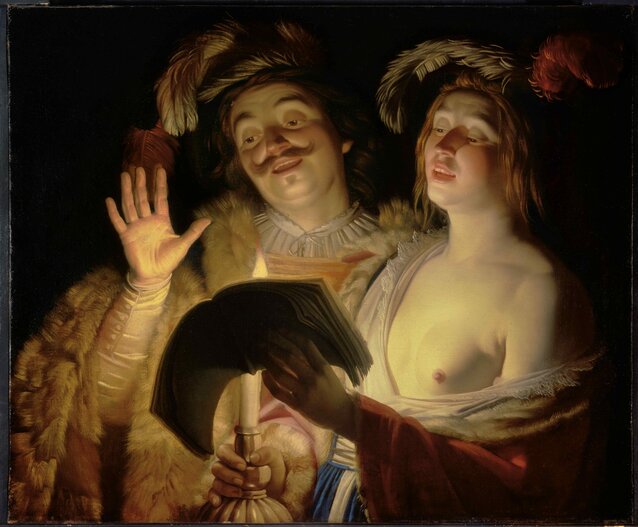
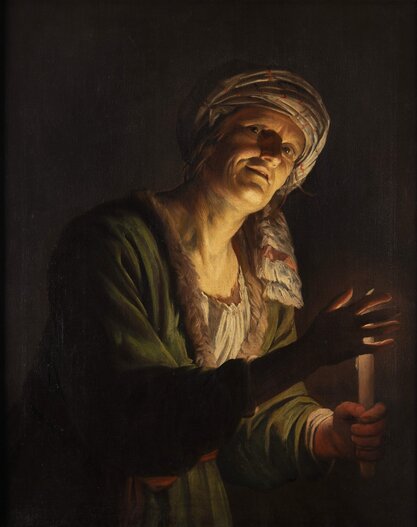
Honthorst was one of the few non-Italians to receive prestigious commissions for altarpieces and managed to attract influential art collectors. After his return in 1620, he focused on lively genre pieces and musical gatherings. He perfected the pastoral genre and the portrait historié, and in the years that followed, he increasingly devoted himself to portrait painting. He understood better than anyone what his clients expected of him and adapted his style almost intuitively. This earned him important commissions from royal and noble families throughout Europe. Honthorst is considered one of the most successful artists in the vibrant art climate of the seventeenth century, a period marked by the heyday of the Dutch school of painting represented by Rembrandt, Frans Hals and Johannes Vermeer. Although he was more successful than his contemporaries in his own time, he is overshadowed today by his famous peers.
In Utrecht, the city where he was born, married and died, Honthorst is finally being given a platform. The Centraal Museum is doing so by exhibiting some 60 paintings and approximately 30 drawings by Honthorst from museum and private collections in Europe and the US, such as the Musée du Louvre, the British Royal Collection and the Galleria Borghese.
Info & tickets
More infoPractical information
Centraal MuseumAgnietenstraat 1
3512 XA Utrecht View location
| Time | tu to su: 11:00 - 17:00 |
Add to your calendar:


More inspiration in Utrecht
| Date | continuous |
|---|---|
| Time | mo to su: 10:00 - 17:00 |