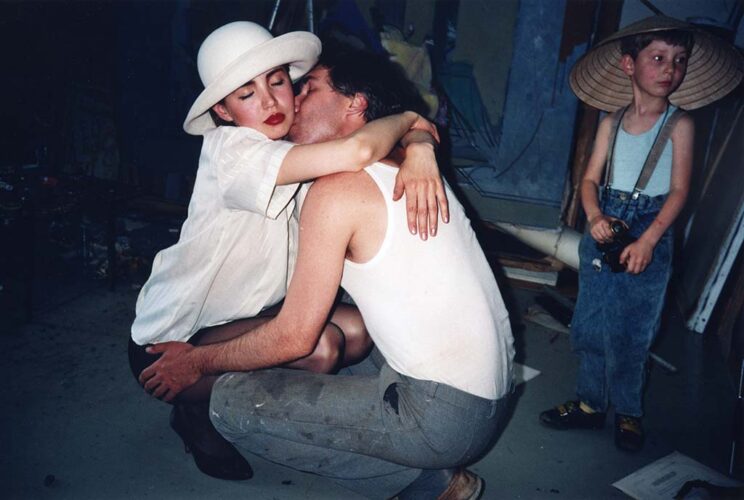
It’s often said that a picture speaks a thousand words. FOTODOK is a place for visual storytellers who bring social issues to life with exhibitions, educational programmes, talent development and now a Photo book week. Director Femke Rotteveel: ‘Pictures have their own grammar too.’
photo header: Bertien van Manen, Odessa, Station no
Certain themes can be highly topical, but just don’t capture the imagination. Take the energy transition: it’s a hot item with far-reaching consequences, but it’s very difficult to visualise. So photographers can help people to understand relevant themes like this, says director of FOTODOK Femke Rotteveel. Photographers who research their subject, like Kadir van Lohuizen and his New Energy project. ‘He captures the enormity of the task of exploiting new sources of energy by taking photos of tiny people next to gigantic wind turbines, and of huge boats designed to transport goods.’
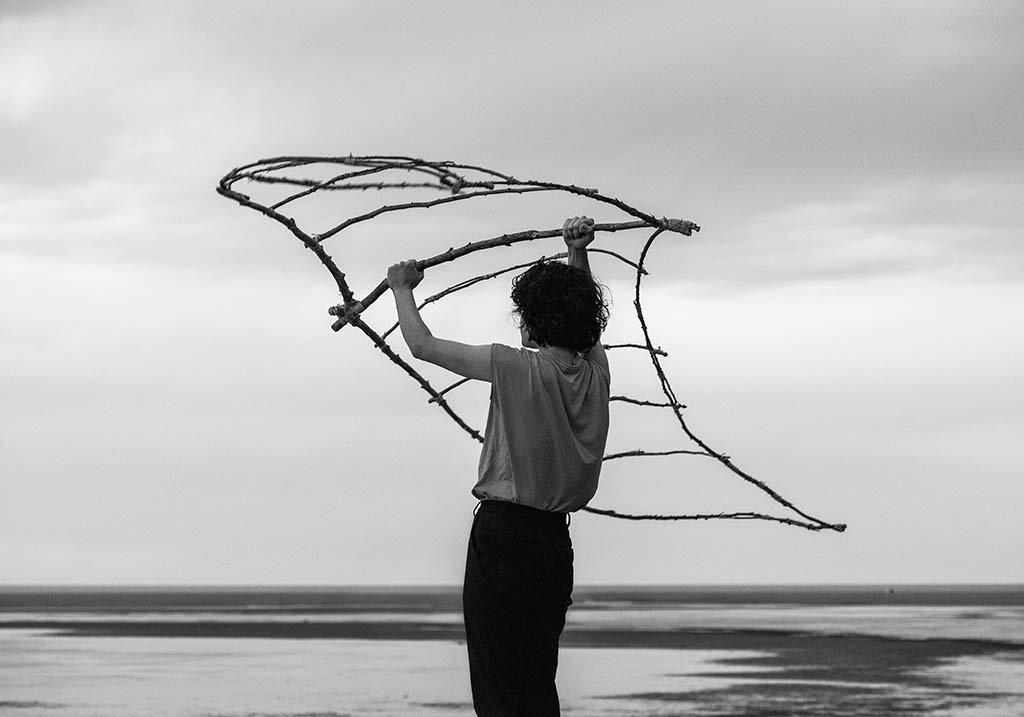
This is the recurring theme at FOTODOK: tying together work produced by visual makers on social themes. The visual stories can be very personal, Femke explains, while still being valuable to others. Marvin Harris’ work about their gender transition is a prime example. ‘People who had been through the same experience came to this exhibition from all corners. They brought family and friends, as Marvin had captured their journey so beautifully and accurately.’
Visual literacy
Photos play a significant role in conveying information, on a different level from text. Take the photo book Love-22-Love by Jeroen Kooijmans, in which he (like his film of the same name) portrays his depression and psychoses, and makes them easier to talk about. But also the training course that FOTODOK organised with 113, the national organisation for suicide prevention, for professionals in this field. Femke: ‘Our input comprised work by Peter Pflügler, Now Is Not The Right Time, showing staged images of his father’s unsuccessful and hushed-up attempt to end his life. After Peter had opened up about this, many of the participants bought their very first photo book. ‘This is so useful in the work we do’, they said. Men of Peter’s father’s age form a vulnerable group, yet they are the most difficult for professionals to reach. Peter’s work provided new inroads.’
Education is central to FOTODOK, and promoting visual literacy is an important aspect of this. You can learn to look, says Femke. This is essential at a time when young people get most of their information from imagery. ‘We all learn to read and write at school, but pictures have grammar too. We aren’t always aware of this, but it influences the way we interpret things.’
Framing images
This grammar consists of the perspective chosen by the photographer, for example. Whether they portray someone as large or small, making them important or unimportant. Or the way an ethnic group is portrayed, as demonstrated by photographer Çiğdem Yüksel in her transmedial project Moslima. She analysed the way that Muslim women are portrayed in Dutch media, concluding that they are mainly shown as stereotypes: women in veils, seen from a distance, usually anonymous and passive.
The way in which photos are framed is equally dangerous, says Femke. ‘There’s a photo that’s shown time and time again of a group of Moroccan boys in Westerbork concentration camp, on their phones. ‘Totally uninterested in the Holocaust’, is the caption. However, what’s really going on is that they were given an assignment to do on their phones. So it’s useful to understand the clichés and tricks of pictures. And to ask yourself: what are we actually being shown here?’
Photo book ball
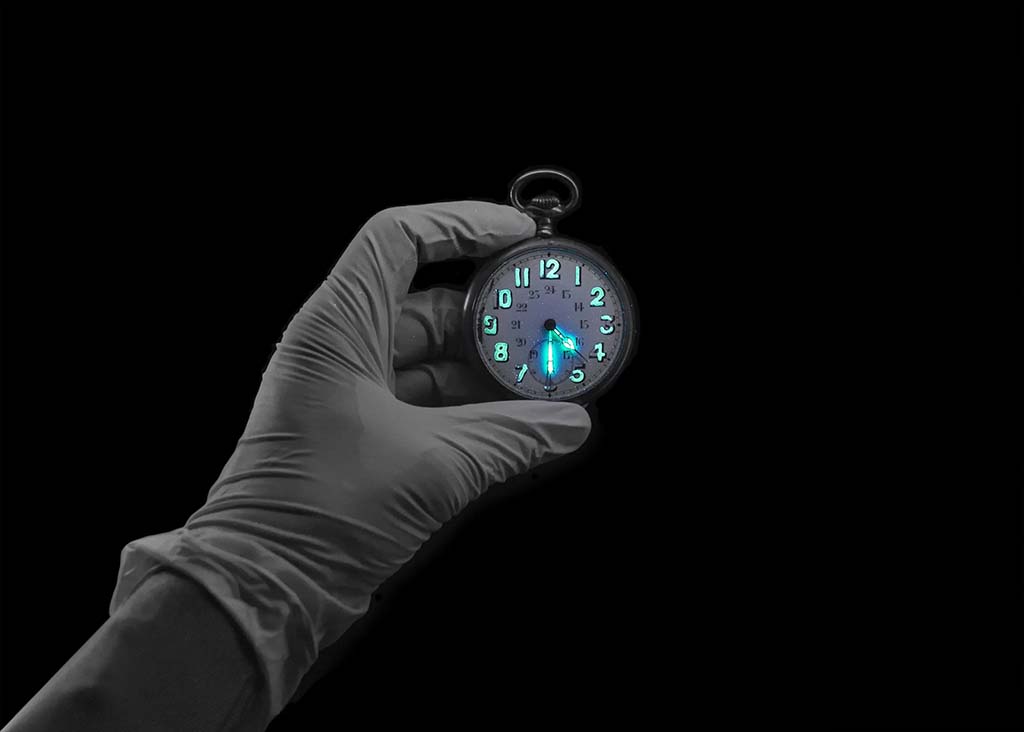
FOTODOK works with Dutch makers at every stage of their career, offers talent development programmes, organises photo book talks and features at all the major European photo exhibitions. They also embark on collaborations with international platforms, such as the FUTURES network for budding photographers and visual artists. This month, for example, sees the opening of an exhibition entitled OCCUPY TIME, in which studies and questions the phenomenon of time from various different angles.
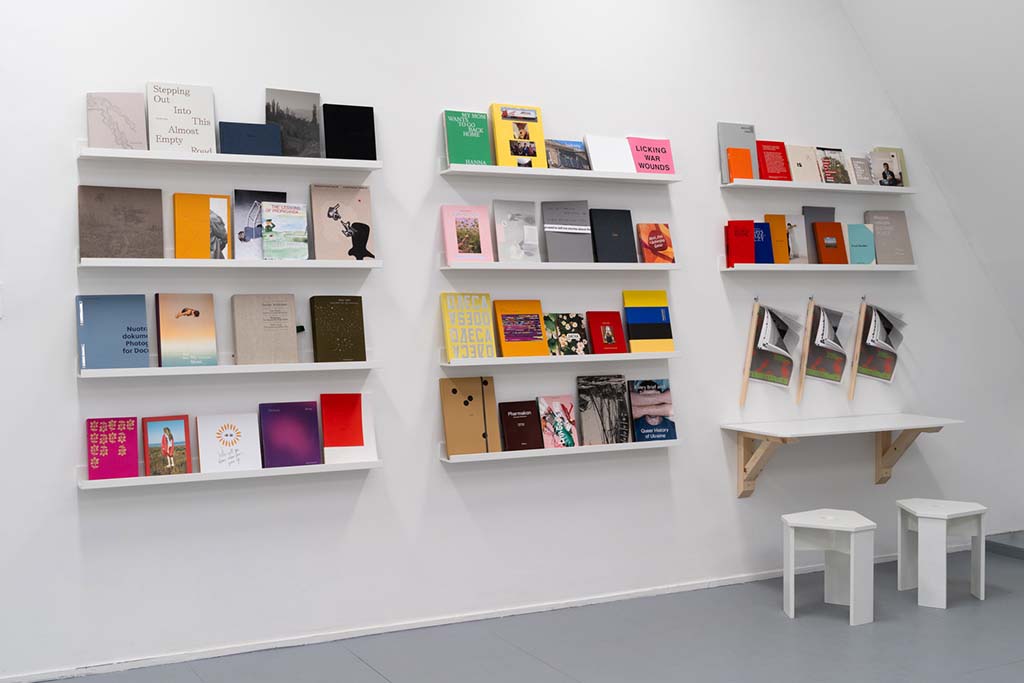
And then there’s the very first Dutch Photo book week, also a FOTODOK initiative, for which activities are being organised at cultural organisations, libraries, photo studios and other relevant places throughout the Netherlands. From workshops to book presentations, and from lectures to speed dates and opportunities to meet makers. Femke: ‘And of course there’s the Photo book ball for a select group of guests! We want to celebrate the photo book, so we see this as the start of a new tradition. As Jan-Dirk van de Burg, former photographer laureate of the Netherlands, once said: ‘Photo book week is just so logical. It’s difficult to imagine that there wasn’t one already!’
Occupy Time, 27 November 2026 t/m 28 February 2027, FOTODOK
fotodok.org
Fotoboekenweek, 25 November t/m 12 December 2026, various locations
fotoboekenweek.org
 Lees in het Nederlands
Over dit artikel
text:
Pam van der Veen
images:
Ela Bialkowska/OKNO Studio, Ramon van den Engel, Gilleam Trapenberg en Karine Zenja Versluis, Stijn Terpstra, Nastya Vinogradova, Helene Wiesenhaan e.a.
Publication date:
6 November 2026
Magazine edition:
UITagenda Utrecht november 2026