You suddenly notice an ornament on a building where you’ve parked your bike for years without ever looking up. How long has that been there? And what does it mean? The Utrecht Time Machine, an app featuring countless stories of Utrecht’s history, provides answers to these and many other questions.
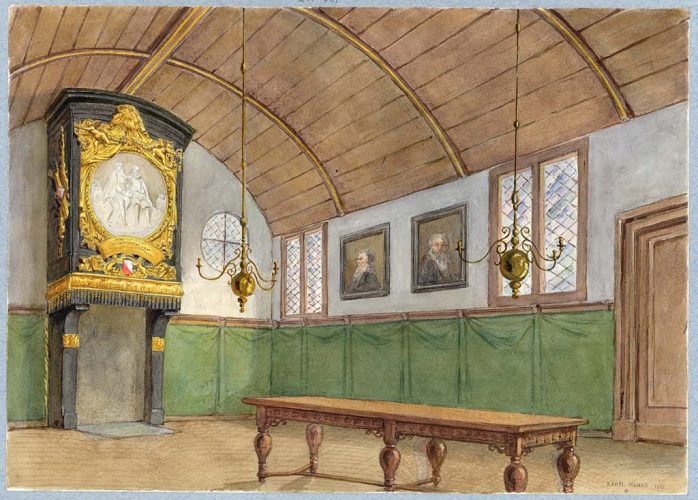
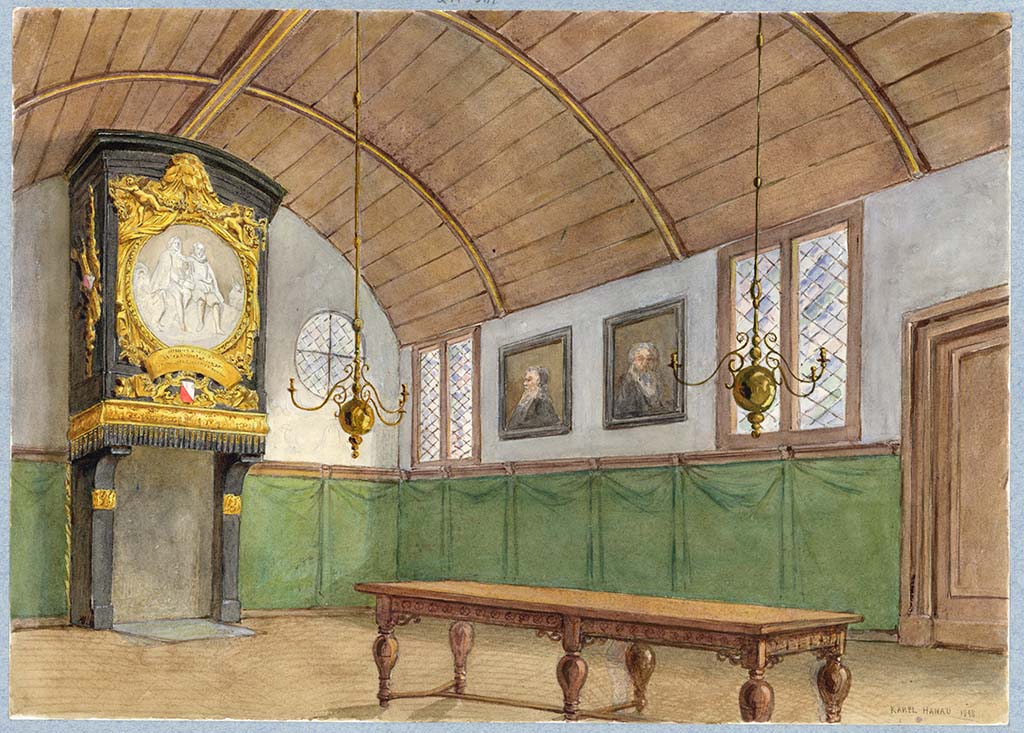
In 2017, history lecturer at Utrecht University Toine Pieters, launched an initiative: he wanted to use Augmented Reality to recreate life in the aula of the Utrecht University’s Academy Building as it had been in 1713. Toine: ‘That was the year when the Peace of Utrecht was signed: the first western treaty to recognise freedom of religion. Afterwards, various people told me that they’d like to use this interactive way of learning about history in other locations in the city. There’s plenty of history to be recounted in Utrecht, so I thought: maybe I could make something to help with this?’
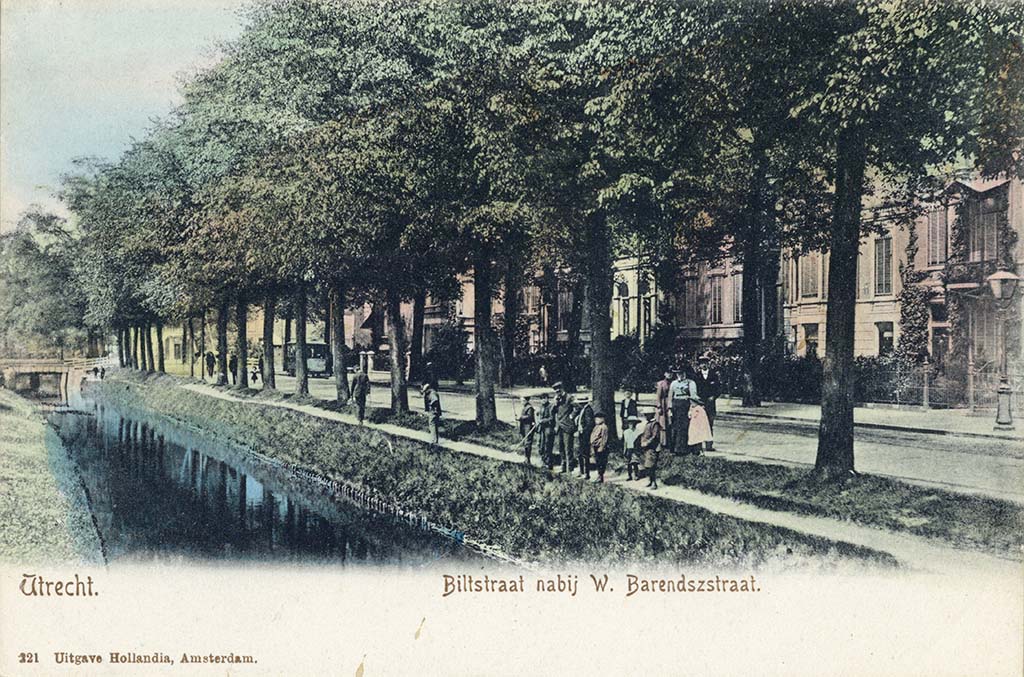
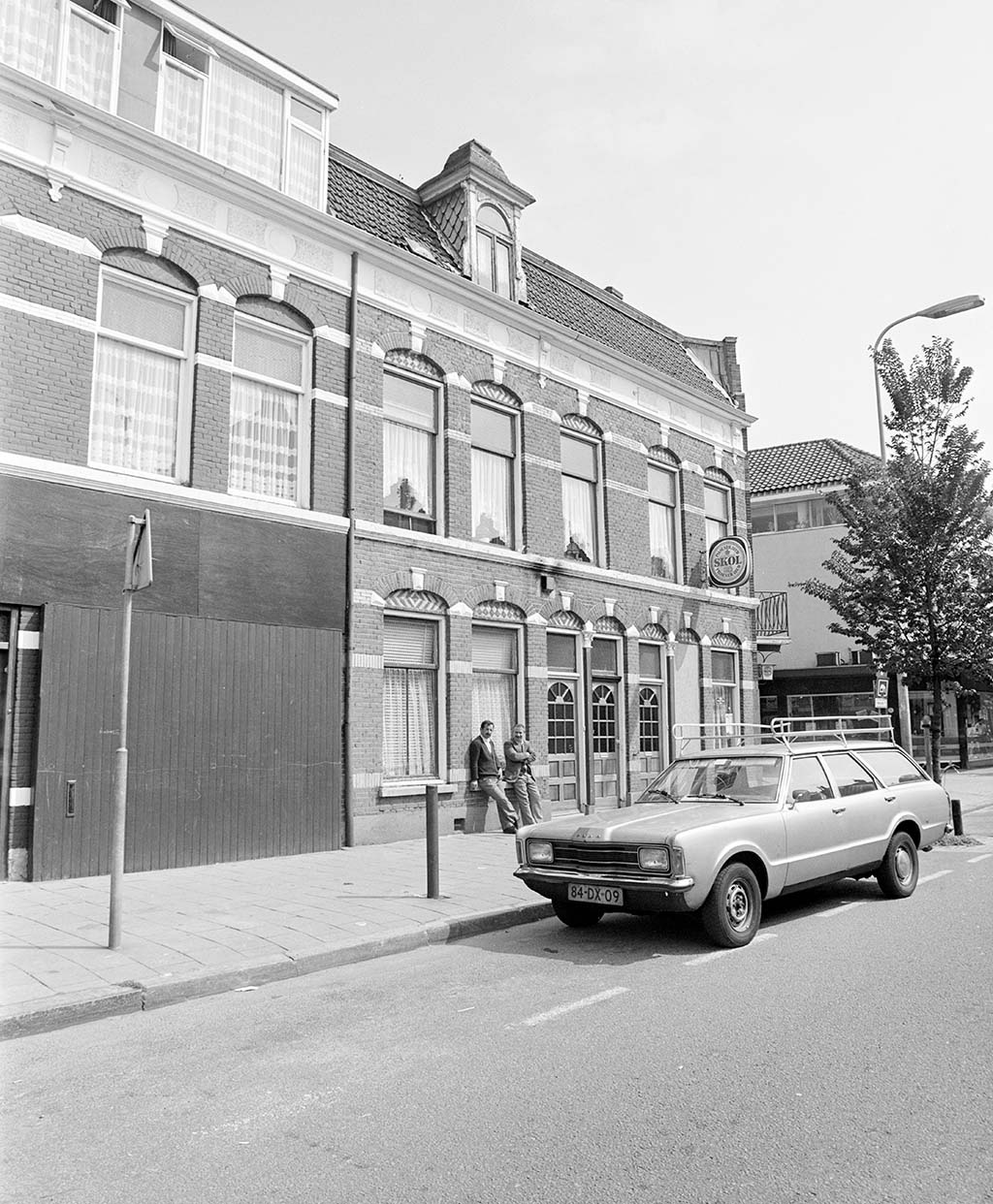
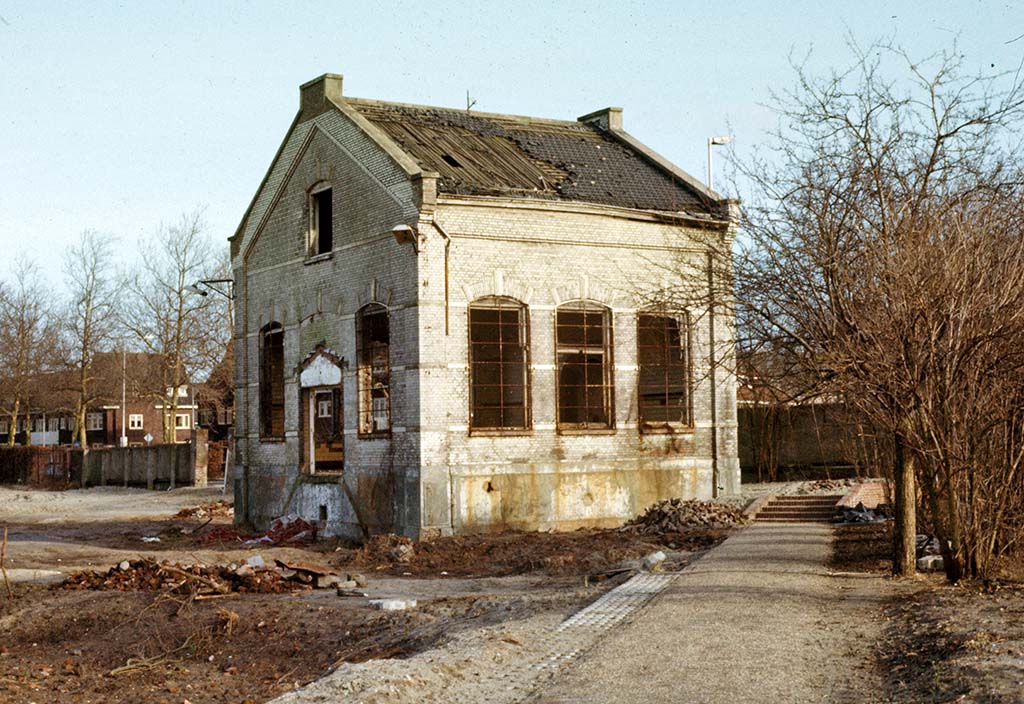
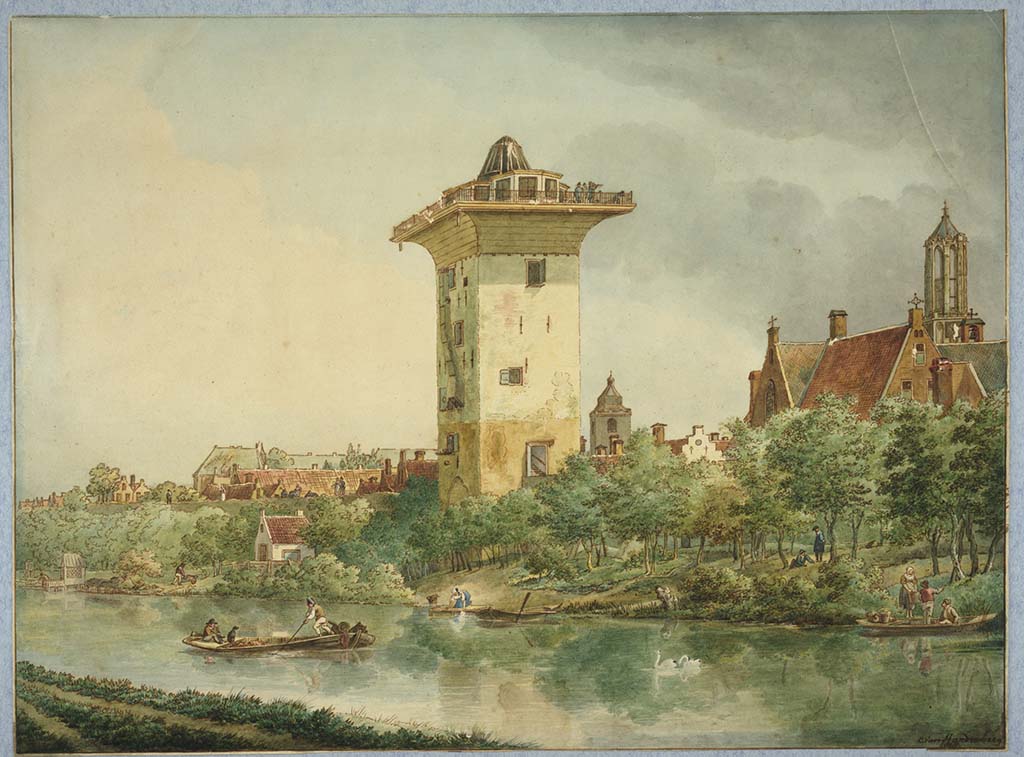
Together with Rick Companje from The Utrecht Archives, he developed the Utrecht Time Machine app: a map of Utrecht with pins marking historical ‘entries’, such as the home of resistance fighter Klaas Postma in Lombok, the Smee Tower in Lange Smeestraat or the water tower in Overvecht. Every entry includes a short run-down of the history of the building: who lived there, why the roof is green or why the building is no longer there – like the Smee Tower. ‘The Utrecht Time Machine lets you discover how and why the city became what it is today,’ Rick adds. ‘Things like a road with a strange kink, which used to be straight until they laid the tracks for the railway.’
Culture snackers
According to the designers, the app is aimed at ‘culture snackers’. Rick: ‘These are people who are curious about the history of their town or village, but not obsessed by it. That’s why we’ve made it as accessible as possible. The texts are short and simple and we use a lot of videos and pictures.’ The aim is to raise people’s awareness of the rich history of the region, he continues.
New stories were added to the platform with the help of other parties, such as RTV Utrecht and Landscape Heritage Utrecht. ‘In some cases, they had already compiled an article or report about a particular building or spot, which we then used for the app.’ He cites Griftpark as an example: the spot on which one of Utrecht’s favourite parks now stands used to be a gas factory. A report made by RTV Utrecht and featured in the Time Machine teaches you that decontaminating the ground was an enormous job, which cost today’s equivalent of €280 million. In an article by Landscape Heritage Utrecht, you can read how for three centuries, the Biltsche Grift (the waterway after which the park was named) was the main transport link between Utrecht, De Bilt and Zeist. If you’re interested, certain subjects also allow you to click through to source material.
Walking trails
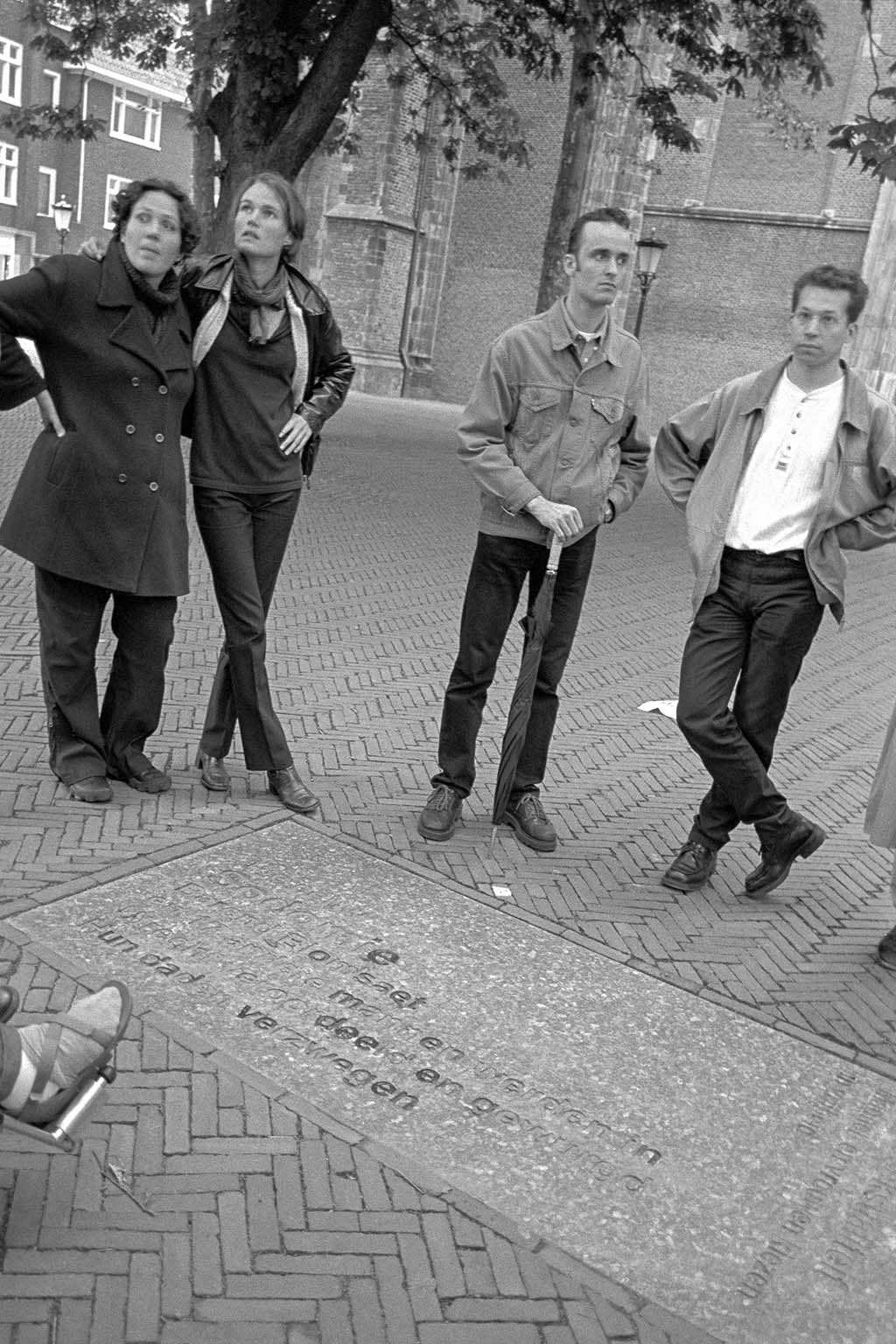
The app also offers historical walking trails, like the migrant workers trail, made in association with the Emigration Generation foundation. While walking the trail, you can read stories about how the first migrant workers from countries including Morrocco, Greece and former-Yugoslavia arrived in the Netherlands. The trail starts on Mariaplaats – the first place they encountered in the city of Utrecht – and takes you through the city centre, Pijlsweerd and Lombok. It finishes in Majellapark next to a work of art by Aimée Zito Lema, an artist who comes from a migrant family herself. Rick: ‘All these historical stories made Utrecht the city it is today, and we must continue to tell them. The Time Machine allows us to make the invisible visible.’
Does this mean that the city guides will soon be out of work? Toine doesn’t think so: ‘I recently took some neighbours on a tour of various historical spots in the city. A runner suddenly came up behind me: ‘Sir, sir! You’re so enthusiastic about all these places, can we hire you?’ I showed him the Utrecht Time Machine and he said: ‘Yes, but we want a real person.’ The app isn’t competition for our guides, it’s an extra tool for them.’
Reliving memories
The organisation is currently working hard with numerous heritage associations in the province to design new trails. Rick is also hoping that local people will contribute their own memories, in the same way as the Volksbuurtmuseum tells stories provided by people from Wijk C. ‘Everyone who lives in the city has something interesting to say about at least one place. We’re going to collect these stories in the course of this year.’ Toine: ‘We hope that this will help bring the past back to life. We want citizens to be in awe of everything that’s happened in their city.’
 Lees in het Nederlands
Over dit artikel
text:
Willem Vernooij
Publication date:
10 April 2026
Magazine edition:
UITagenda Utrecht april 2026