How do people interact when occupying shared land? And what can we learn from the humming bird as a symbol of resilience in the face of ecological and social change? At Afrovibes, contemporary performing art forms from Africa aim to address questions like these.
The theme of this 23rd edition of Afrovibes is Soil/Soul. These two words bring earth and spirit together, referring to the way that land, identity, spirituality and memory are intertwined. According to artistic director Jay Pather, this begins by taking a different look at soil. ‘The idea that you can ‘own’ land or continually exploit it, is diametrically opposed to African philosophy and many other global native philosophies. Soil is not just a resource, but an intrinsic part of who we are.’ Land is a place where memories and ancestors are united, Jay continues. ‘The concept of soil as a place for our ancestors, is something that interests more and more artists.’
Playing field
When compiling a festival programme, Jay does not begin by thinking up a theme. He studies the work of artists from various parts of Africa, looking for a common thread. ‘I suppose you could say that the work vets itself. I just try to listen to what artists are telling us. Such as the genocide in Congo, in Sudan and other parts of the world, where land is again being severely damaged by outside forces.’
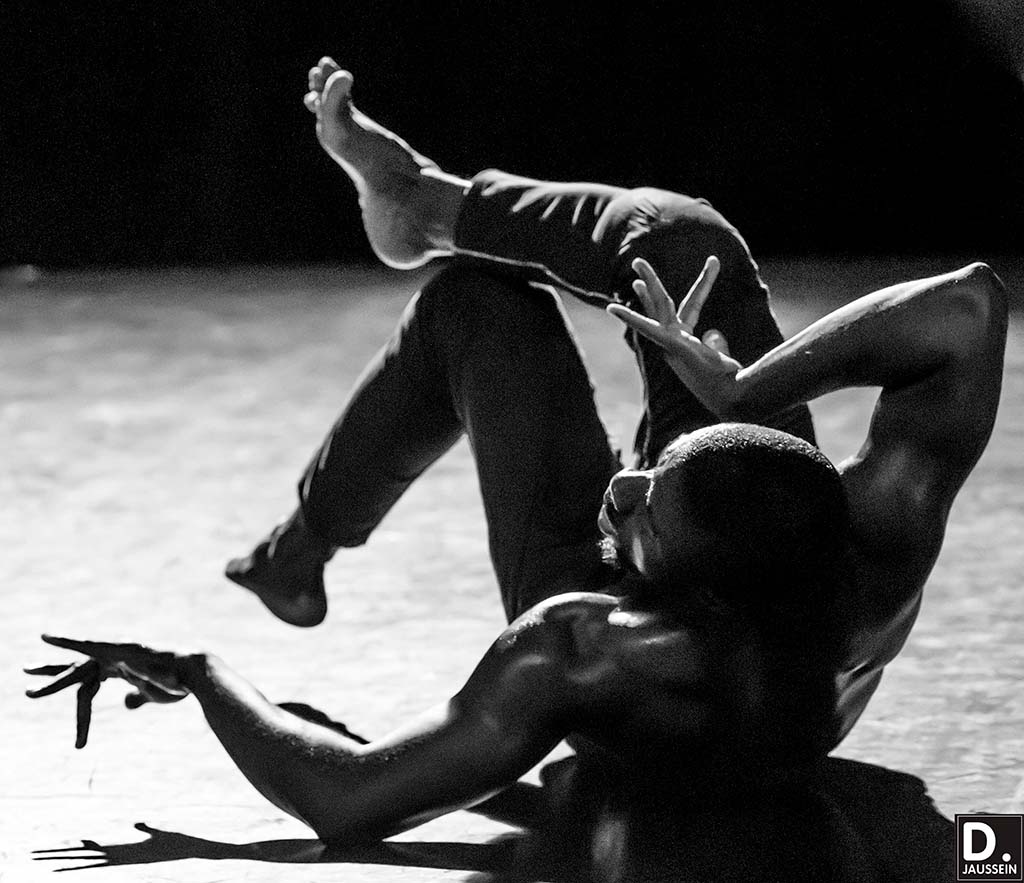
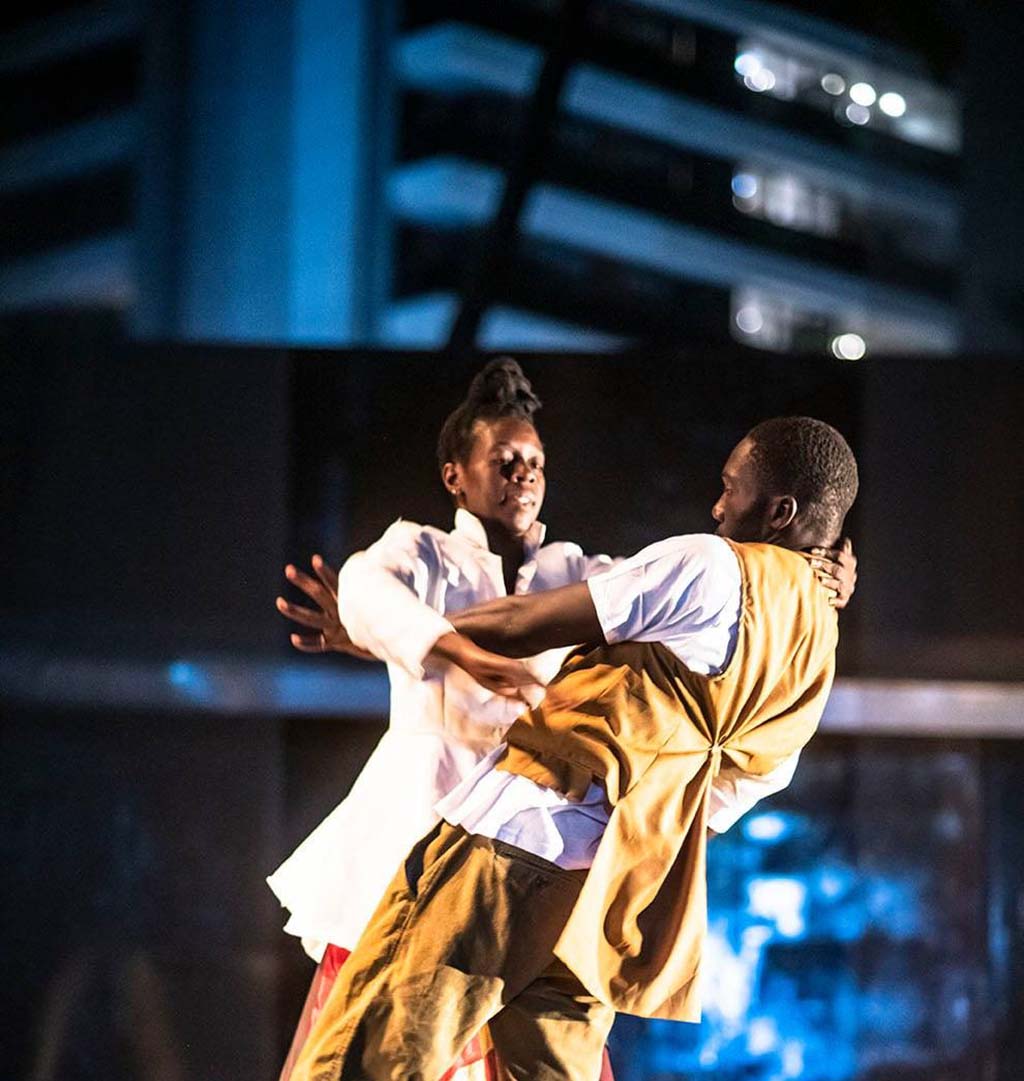
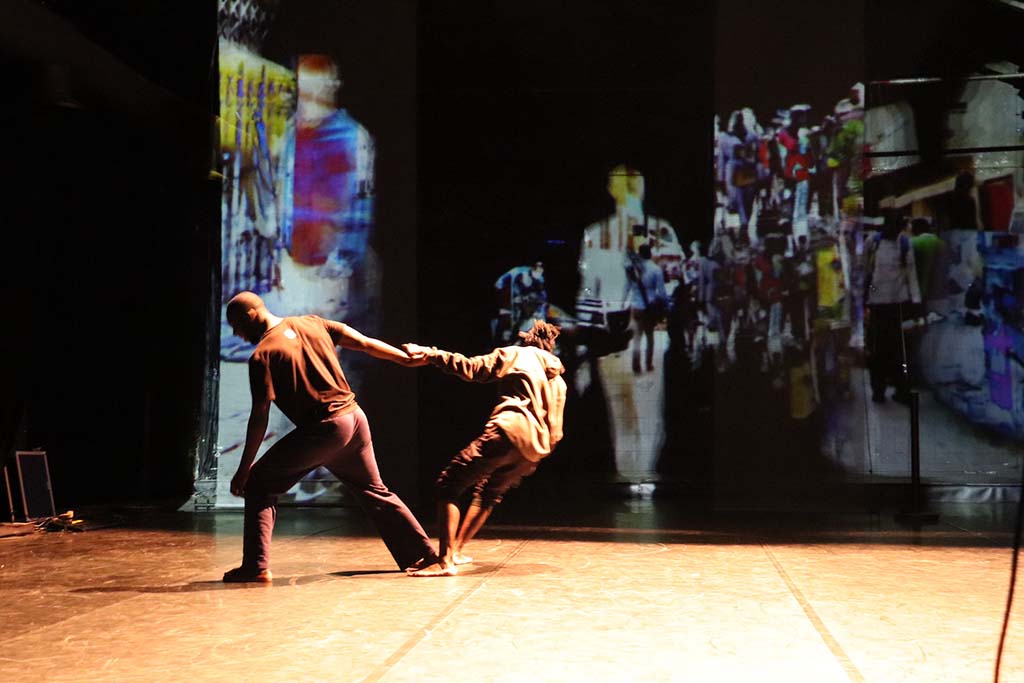
One of the artists focusing on this theme is choreographer Fatou Cissé. In her show, entitled Performance D, she explores how people interact with each other when sharing common, and sometimes contested, land. Fatou: ‘Public space is a playing field that shines a spotlight on relationships between individuals. We share the same space, but we have different ways of occupying it. Performance D is an observation of how bodies approach each other, confront each other, attract or reject each other when they enter the same territory.’
Collective memory
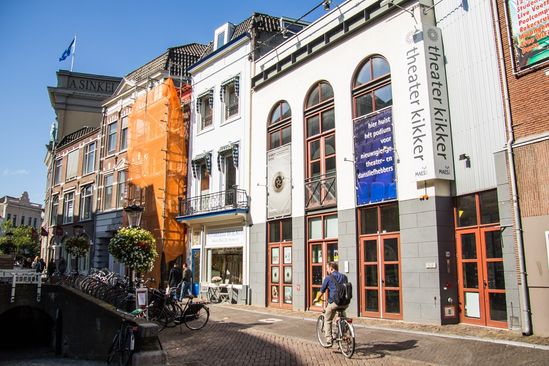
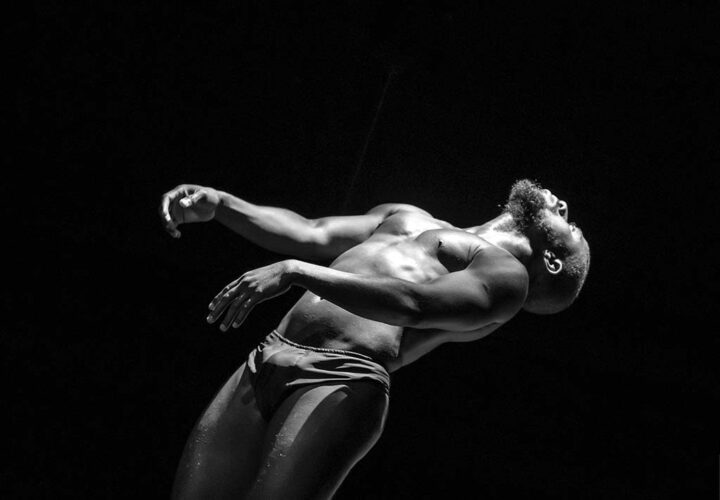
The other Afrovibes performance being staged in Theater Kikker is by choreographer and dancer Abdoulaye Trésor Konaté. In his solo performance Humming-Bird/Colibri, the humming bird serves as a subject for studying resilience, responsibility and change. Abdoulaye: ‘In the legend, the humming bird tries to put out a wildfire with single drops of water. The bird becomes a symbol of engagement. The legend is a reminder of the significance of every movement, every creation and every moment of knowledge transfer. The performance combines traditional art forms, rituals and contemporary dance. It ask questions about what we inherit, what we want to keep and what we want to change. And about the way our stories become part of a much larger collective memory.’
Today’s African artists are global artists who contemplate global problems, Jay Pather is keen to stress. ‘They don’t just talk about Africa; they think about issues that affect the whole world, expressing themselves through the language of modern dance. I think it’s very important that the public sees this. So that people can open up their hearts and not just seek entertainment, but also learn, grow and form connections.’
Demanding space
So to his mind, this edition of Afrovibes is more than a romantic tale about soil and soul. ‘It’s a matter of urgency, because ongoing struggles about ownership of land are putting so many people of colour in a vulnerable position.’
Afrovibes revolves specifically around creating space to feel inspired. Performance D, for example, invites the audience to take part in the performance by examining the relationships that develop via their body. ‘Think about how we occupy space, demand it, or perhaps even offer it to others,’ says Fatou. Abdoulaye hopes that audience members will connect with each other in the silence. ‘I want to create a space in which we can slow down, listen, exchange energy and reconnect with what we have in common as people.’
The performances are also suitable for people who know very little about West African art, spirituality or history. Jay: ‘Afrovibes is for anyone who loves art and for people who are interested in social discourse. The festival aims to showcase performance art, as well as prompting conversations with and among the audience. The performances can be the first step in this process.’
4 October 2026 in Theater Kikker
For more Afrovibes performances: afrovibes.nl
 Lees in het Nederlands
Over dit artikel
text:
Elisa Lo-A-Njoe
images:
Dominique Jaussin (header image), Tiziana Manfredi
Publication date:
1 October 2026
Magazine edition:
UITagenda Utrecht oktober 2026